Boosting Domestic R&D Amid the Latest Chip Tariffs
Businesses concerned about the effects of new chip tariffs on their bottom lines can find a powerful offset via the Section 41 R&D Credit.
Humans and AI are collaborating to reshape manufacturing’s destiny. Manufacturing is receiving considerable attention lately, particularly in the United States. Our concept of prosperity and cultural identity is closely tied to this age-old industry.
AI technologists are in fast pursuit of artificial general intelligence (AGI), with some predicting it could arrive as soon as in the next few years. Just this month, Google outlined their latest step towards AGI with a new AI model that interacts with a convincing simulation of the real world.
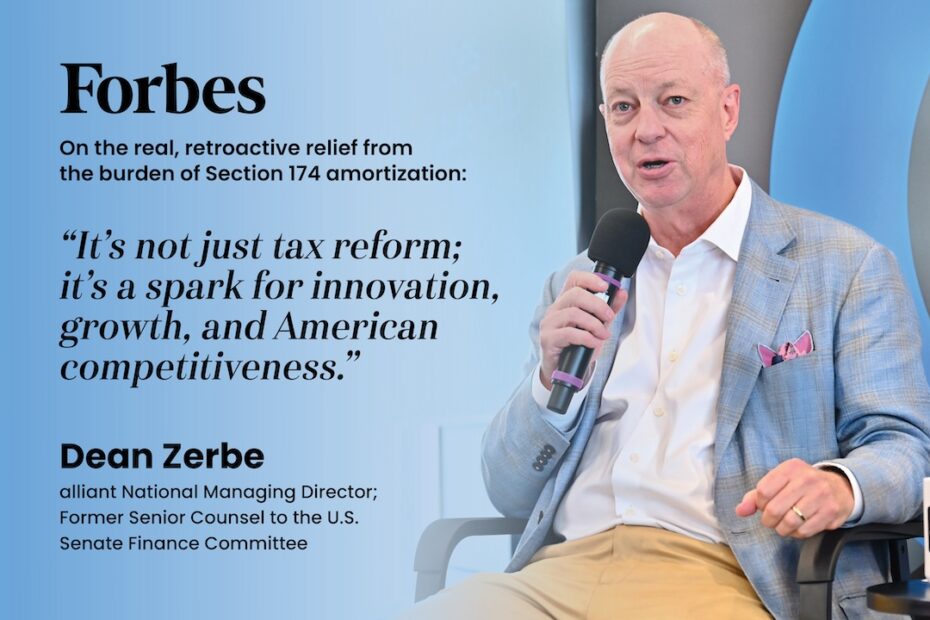
The $3.4 trillion fiscal package signed into law by President Donald Trump contains a particularly beneficial provision for innovative small businesses: a rare retroactive provision addressing capitalization of research and development expenses. This policy victory for small businesses shows the power of their outreach to lawmakers.
JULY 25, 2025 | PUBLISHED IN by Dhaval Jadav alliant Chief Executive Officer If you have any questions about this article, please send us a message. Contact Us Before it…
Understanding the Trump-era tax tweak that quietly turned research and development into a liability — and rewrote the economics of tech employment
The One Big Beautiful Bill (OBBB), signed into law on July 4th, includes a pivotal provision reversing the requirement for companies to amortize R&D expenses—a policy first implemented in 2022. The new law restores full expensing of domestic R&D costs beginning in 2025 and provides retroactive relief for small businesses with less than $31 million in revenue,
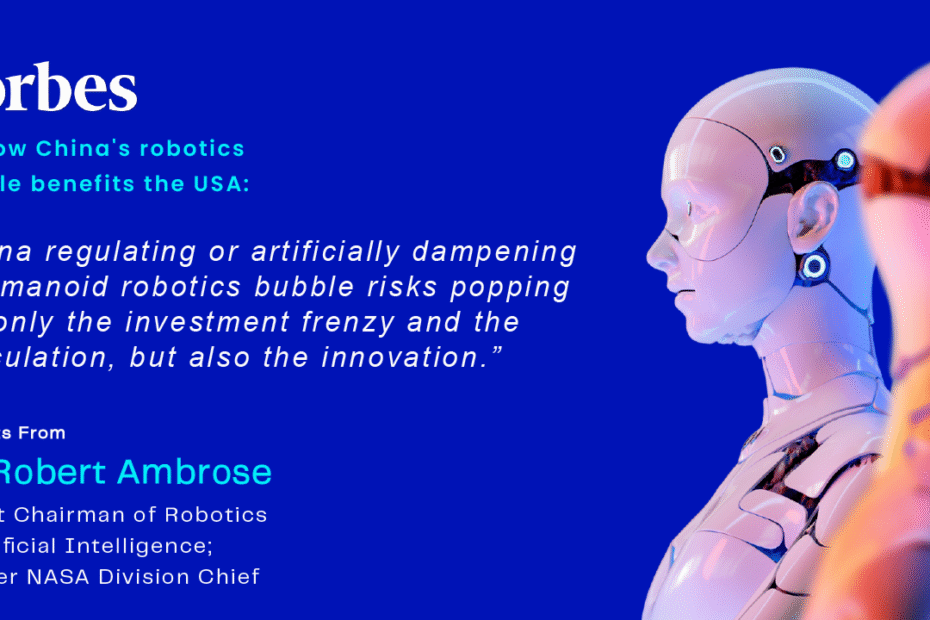
I’ve worked at the bleeding edge of robotics innovation in the United States for almost my entire professional life. Never before have I seen another country advance so quickly.
While the Trump administration is turning away from many renewable energy initiatives, some subsidies for U.S. manufactured parts will remain.
Protecting the bottom line is essential for long-term success in the ever-evolving business landscape. One often overlooked avenue for achieving this is leveraging available tax credits and incentives.