AI laggards can still come out ahead
Think you missed the AI boat? Probably not. Start small, focus on fit and value, and you can still outpace the fast but sloppy adopters.
Think you missed the AI boat? Probably not. Start small, focus on fit and value, and you can still outpace the fast but sloppy adopters.

The very nature of language models—large language models (LLMs), foundation models, and frontier models—confounds the notions of explainability and transparency.
Tax authorities, in every jurisdiction, have always been cautious of international intercompany transactions because they are ripe for abuse.
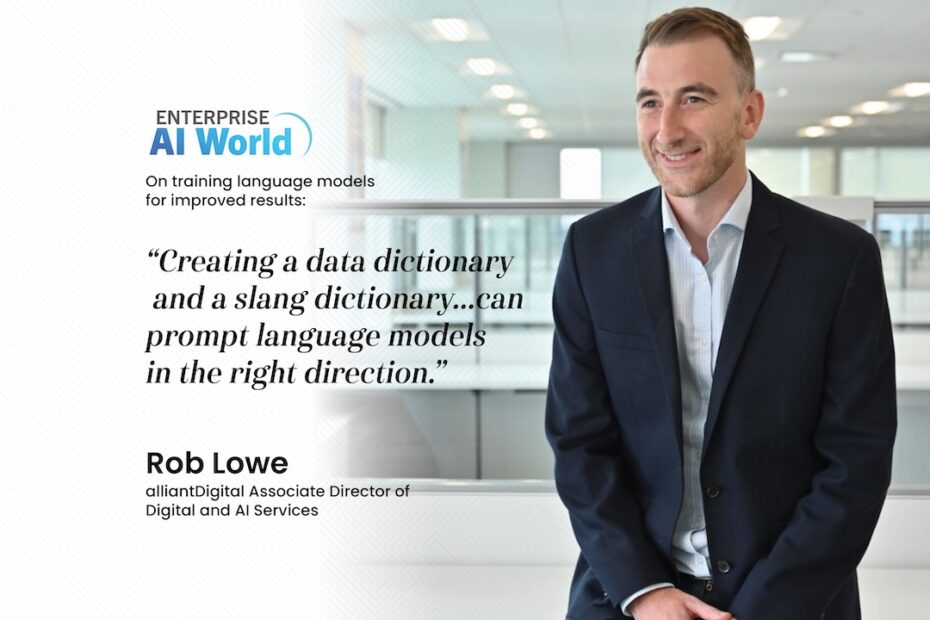
The very nature of language models—large language models (LLMs), foundation models, and frontier models—confounds the notions of explainability and transparency.
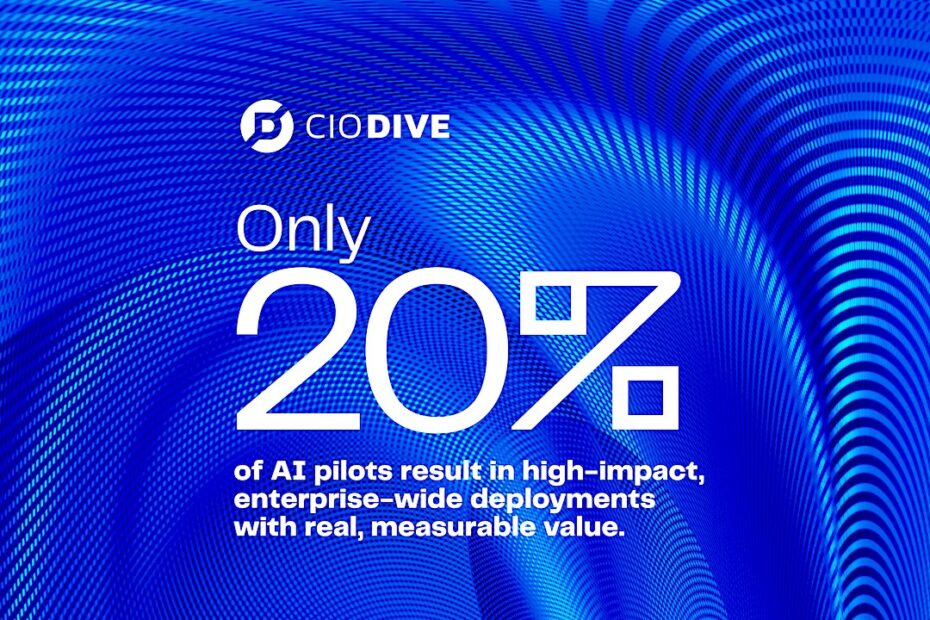
As CIOs face increasing pressure to mount successful AI projects, they’re contending with a sobering reality: only between 5% to 20% of AI pilots result in high-impact, enterprise-wide deployments with real, measurable value.
After decades of witnessing American manufacturing transform, from its golden era of assembly lines to lean factories to digital twins, supply chains are on the cusp of a significant disruption.

Tax practitioners need to be prepared for a shifting landscape in the IRS’s collection efforts in 2026 and beyond. The last several months have made clear that, despite the IRS facing personnel cuts and work stoppages due to the government shutdown, the agency’s collection efforts continue to remain a top priority.
The world seems to be buying the hype of using artificial intelligence in tax preparation, but I’m skeptical. I don’t believe AI can substitute for the professional judgment and human insight that form the bedrock of financial accounting and tax practices.
Earlier this year, a Peter Diamandis report found about 100 companies working on humanoid robots globally. A few short months later, there are 150 just in China.
Agentic AI’s reasoning and planning capabilities can help supercharge your IT org by making decisions and handling tasks with little or no human intervention.